Bristol vs the world

A travel (and sometimes fashion) blog about exploring Bristol and the rest of the world, one post at a time.

A Sunday stroll at Tyntesfield

This Sunday, before yet another trip to B&Q, we ignored the fact that it was drizzling, pulled on our walking boots and made a diversion to Tyntesfield.

Once home to the Gibbs family (who made their fortune importing guano), Tyntesfield is a Gothic revival house in Wraxall, on the outskirts of Bristol. It’s now owned by the National Trust.

The house was closed this weekend (it reopens on Saturday (8th March) for summer season, which gives us a good excuse to revisit soon), but there was still plenty to explore in the grounds and gardens. We were perhaps lucky that it was quite quiet when we visited; we were the only people in the rose garden and there was only one other family in the kitchen garden. I’m sure it would be equally pleasant when busy – more buzzing perhaps – but it just felt really peaceful when we were there. The rose garden would definitely make for a perfect reading spot if it was a bit warmer (though I imagine then it wouldn’t be as quiet. Catch-22!).


We – unintentionally – happened to turn up on crafts market day too, which takes place on the first Sunday of every month. This was quite food-orientated when we were there (and predominantly preserves and cakes), but that’s not necessarily a bad thing. We were also very tempted by some of the hand-crafted wooden benches on offer – unfortunately we’d taken the car with the small boot this time, but we won’t be making the same mistake again! (Another excuse to revisit…)

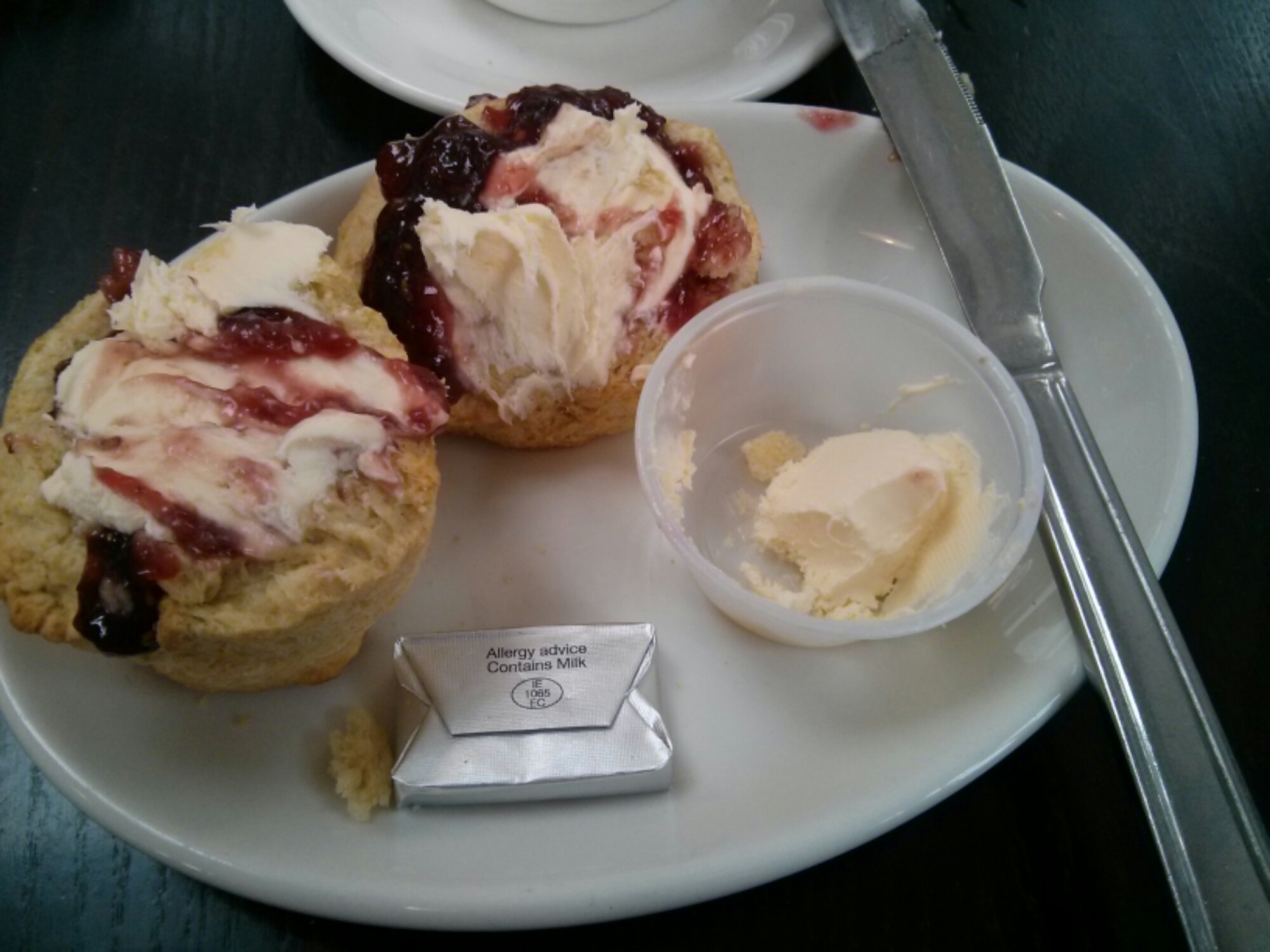
And obviously no visit to a Trust property is complete without a trip to the café for tea and scones – the perfect end to a slightly soggy walk.

image

Full disclosure: I’m a Trust employee so get free entry to properties. However this post is in no way affiliated to the Trust and this trip was taken of my own accord and in my leisure time.

Food Friday: The Potted Pig, Cardiff

pottedpigrest2

I graduated from Cardiff University in 2009. In many of the (numerous) photographs taken as we made our way to the ceremony at St David’s Hall, the second-most noticeable thing about them is a strong sense of change. (The first is how ridiculous I look: swamped in a gown and the red-and-white hood already falling off my shoulders, I definitely do not look like someone old and mature enough to have recently started their first ‘graduate’ (aka salaried) job.)

Not just change in the metaphorical sense (graduating into a life without 10% Topshop discount and constant lie ins, and having to work more hours in a day than I spent in lectures in a week. Why was I smiling in those photos again?). But in a very literal one too. You can see streets temporarily narrowed to pedestrians as improvement works took place, buildings clad in scaffolding.

Five years on, that part of the city centre is barely recognisable to me. These were the streets we only stumbled down to get to Walkabout* and Welsh Club and Chippy Ally (Caroline Street). The occasional visit to Hobos. The road to the train station, where I could be whisked back home for much-needed weekends of sleep and Sunday roasts (my parents’ house was still ‘home’ then). (*I would apologise for my 19-year-old self’s choice of venue here, but I can’t bring myself to: Thursdays at Bounce were both horrendous and brilliant in equal measure.)

But the extension of St David’s shopping centre has not only brought shiny chain and designer shops and restaurants to this corner of the city. It also seems to have attracted independent businesses, many of which (judging by an extremely scientific survey of those who stayed in Cardiff’s Facebook statuses over the last few years) have fast become renowned among locals for all the right reasons.

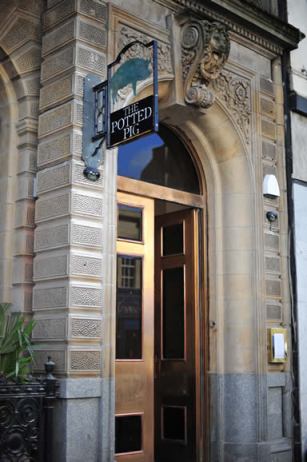
pottedpigentrance

One such place is The Potted Pig restaurant, which opened in 2011. So when my Dad asked for recommendations of places in Cardiff to take Mum for her birthday meal a couple of weeks ago, I knew I had to suggest it. (They aren’t Cardiff natives, but were going on holiday to Tenby, so we hopped across the bridge to join them mid-journey for the festivities.)

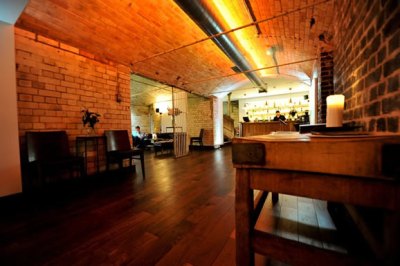
Sat near the top of the High Street, The Potted Pig is situated in a former bank vault. Some of what I assume are the original features are still intact, with bars separating a lounge-y area from the more-formal-but-still-(relatively)-informal, small restaurant at the back. The walls and arched ceilings are exposed brick. This all makes it sound a bit trendy and try-hard, but it’s actually the complete opposite – relaxed, unpretentious.

pottedpigbarentry

We visited on a Saturday lunchtime and all chose to ended up eating from the lunch menu. While the main menu was tempting, we just simply weren’t in the mood for the slightly fancier food it offers on that particular occasion. The lunch menu is simpler, more ‘pub foody’ – and at 2 courses for £12 it’s amazing value.

Between us we tried the truffled Welsh rarebit and courgette and Stilton soup starters, both of which got the thumbs up from everyone. For mains, Dad and sister Hannah went for the burger and the rest of us went for the pulled pork sandwich. I’ll be honest, it’s quite hard to review this more simple kind of food in any depth so all I’ll say is that the portion sizes were huge, but it certainly wasn’t a case of quantity over quality; we all thoroughly enjoyed our feast.

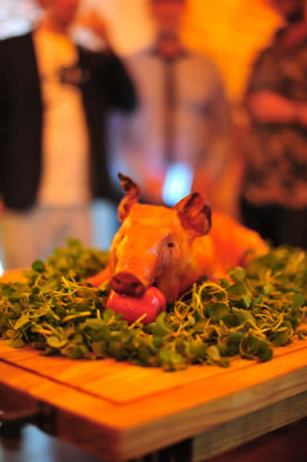
If that doesn’t sound like what you’re after, do check out the wider range of choices on the main menu. They’re more expensive (starters are £6-£8 and mains are around £16-£22, stretching to £27 for the 16oz porterhouse steak), but I’m told absolutely worth it. The menu highlight has to be the fact that you can order a whole pig. Well, you can if you pre-order. And there’s eight of you. And you don’t mind paying £300. Still, it’s AN ENTIRE PIG. (And photos suggest it even comes with an APPLE IN ITS MOUTH.)

pottedpigpig

You might have noticed from all this meat-talk (and the restaurant name) that this is not a particularly vegetarian-friendly restaurant. There were a couple of meat-free option on the lunch menu, but I couldn’t see any mains that looked like they might be. So I’m afraid this might not be one for any herbivores reading.

One thing the menu isn’t lacking, however, is drinks choices. My Mum was particularly excited by the huge number of gins on offer. There’s also a decent selection of wines, ciders, beers and non-alcoholic drink.

Overall The Potted Pig turned out to be the perfect place to wile away a Saturday lunchtime. The staff were friendly, everything happened at a good pace – despite the restaurant being pretty much full, we weren’t at all rushed – and the food was tasty. I can certainly see why this fast became a firm favourite among my local friends. I’m just hoping it won’t be too long before I can go back and try the main menu – there’s some crab on toast and a steak with my name on it!

pottedpigbar

The details
Where: 27 High Street (underneath Zizzi), Cardiff, CF10 1PU
Website: http://thepottedpig.com/
How to book: You can book online or by phone on 029 2022 4817. Deposits are required for bookings of 6+, and they cannot accommodate parties larger than 8.
Menu: Lunch / Dinner / Sunday

Images
All pictures taken from The Potted Pig website.

Singapore: beyond the skyscrapers

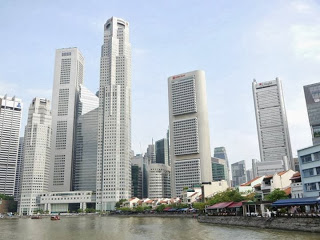
We meander through the Starbucks-ridden Central Business District, down the gleaming could-be-anywhere Orchard Road with its high-rises and designer shops and cleaners sweeping away every leaf that falls from the perfectly-manicured trees that line it, around historical Clarke Quay, now overrun with tourist-trap bars, restaurants and clubs.

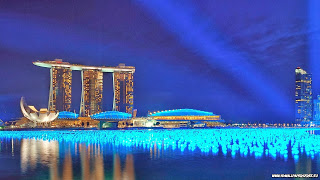
At first glance, it’s easy to see why many view Singapore as ‘soul-less’. It’s that bit too ordered, too tidy, too modern and money-focused. If you travel lazy, if you don’t stray far from the more modern, built-up areas, then Singapore won’t give you much in return besides a few decent photos from the roof of the Marina Bay Sands hotel – and a much lighter wallet. Some people don’t mind that, but I find it stifling (and not just because of the city’s all-pervading humidity).

But as we follow our feet through Singapore, we soon find it doesn’t take much to get beneath its skin. Even Orchard Road is book-ended by a chain of less-salubrious shops – they didn’t look seedy, but they certainly detract from the city’s sterile reputation.

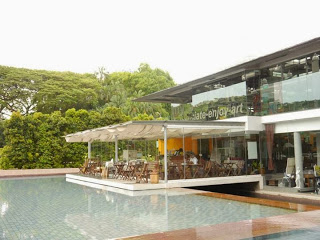
Between the perfectly-pruned trees of Istana Park we discover My Art Space, a cafe-cum-art workshop. On the ground floor, shoppers and tourists (ex-pats?) and locals seeking a quiet retreat sit with drinks at garden-style tables, gazing over the park’s impressive pond. Upstairs, artists and makers can hire workshops; a pick-n-mix of their work is dotted around the halls, on the stairs. In the glass-walled studio, an art class takes place. We try not to stare too blatantly, but the paintings (in particular, a bright flower) taking shape on the easels are too eye-catching.


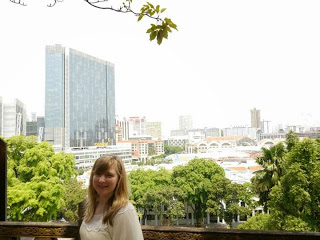
Further down from Istana Park, at the very bottom of Orchard Road, we follow some stairs cut into a grassy hill. They lead us inside Fort Canning Park. We play ‘guess-the-scent’ in the spice garden, take in ancient archaeological sites and discover the entrance to an underground military complex – Battle Box (sadly on this occasion it’s closed so we can’t explore further). It is quiet here. We see a few other pairs of tourists, but we are often alone. Fort Canning Park is not the life and soul of the city, it is a place to slow down. To – quite literally – stop and take in the view.

>

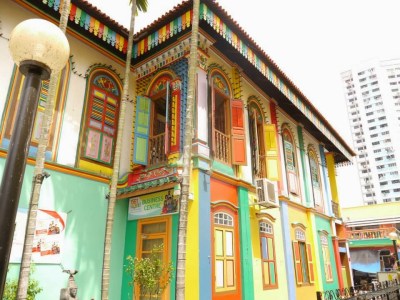
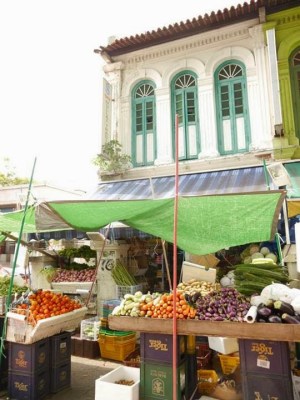
Little India – the area around Serangoon Road – is a breath of fresh air for an entirely different reason. The ordered streets so common in Singapore give way to dusty, crowded pavements and roads, cars to mopeds, silver skyscrapers to two-storey buildings bursting with colour. The open-fronted shops spill outside, showcasing vivid fabrics, gold, fruit and vegetables stacked atop beer crates. On the top floors, we spy washing hung to dry – signs of real life. The smell of spices and meats waft from enticing restaurants, mash in the air. In the hawker centre, food is eaten by the hand. It is still, of course, touristy – bars advertise ‘special’ drinks deals and the curious side-streets are home to numerous hostels – but exploring here is exciting and intoxicating and incredibly satisfying.

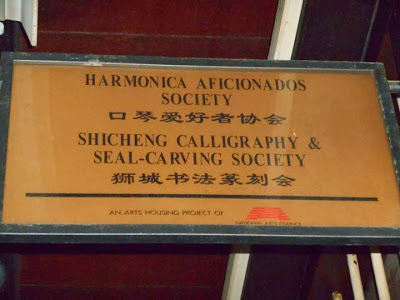
Chinatown’s main streets are filled with ‘souvenir’ shops; you have to work harder to unearth its charms. We find it in the quiet side-streets; when people-watching in the hawker centres; coming across the understated, slightly wonky ‘offering’ to the Gods on the quiet street of our hotel; in the stunning Temples and mosques and the pretty houses against the backdrop of the Central Business District’s shining towers.


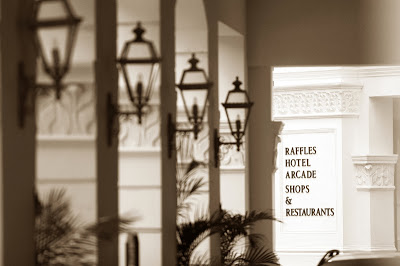
Even wandering off-piste in Raffles Hotel offers rewards. Walking on the outside of the shops, along their back doors, we spy locals hard at work crafting new items to sell.

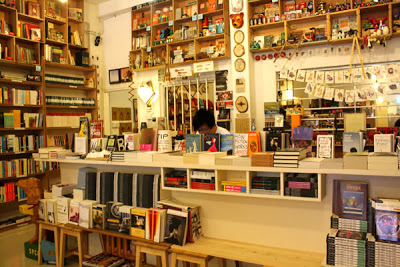
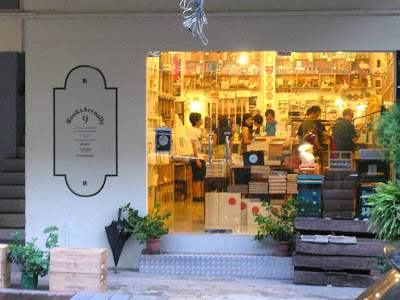
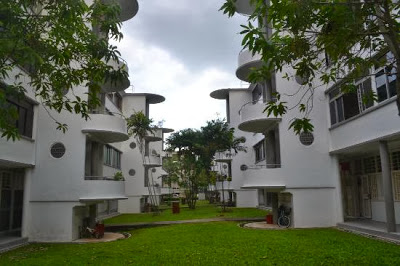
Later I insist on visiting Tiong Bahru. Books Actually on Yong Siak Street proves worth the trip. Books in the front – a huge variety and plenty of lots of local literature on offer – vintage trinkets in the back. Outside, a piano is painted on the pavement and the storefront patio is filled with plants. We are further rewarded for going slightly off-the-beaten-track with excellent food in Tiong Bahru Market, the local hawker centre. You can tell, from the increased (curious, non-threatening) glances we attract from locals that tourists are less common around here, though apparently this is changing. The area has an interesting history, too – it was the first Singapore housing estate, built in the 1930s. Despite being mass-built, the architecture is actually quite appealing; white-washed, mid-rise, patches of glass. But since the opening of Books Actually, the surrounding area is now ‘up-and-coming’, a ‘hipster’ haven. Fascinating, small independent bars and bakeries, restaurants and clothes shops are everywhere. I peer in their windows and wish we had come earlier in the day, that we had enough time to explore more of this ‘quirkier’ side to Singapore. (Though I admit I leave with mixed feelings; I hope this gentrification hasn’t negatively affected the people who have always called Tiong Bahru home.)


There are many other areas (Kampung Glam, Lavender, surrounding islands) that – we read – will offer a different insight into this country. But we only have 48 hours, we’re a little jet-lagged and we’re adjusting to the climate, so there’s a limit to how much we manage to see. After Tiong Bahru, we decide to spend our last night embracing our tourist status down by Marina Bay (after all, they’re popular sites for a reason. Strike the balance, don’t miss out on some of the best bits of a city by bearing a tourism snob). On the walk from Esplanade MRT station, we take a pedestrian underpass. We suddenly find ourselves on the outskirts of groups of street-dancers, hypnotic as they contort into shapes, moves, practice routines. This is perhaps the most unexpected thing we stumble across in Singapore – and it’s right in the middle of a tourist hotspot. (Incidentally, Marina Bay at night is quite beautiful. Couples lean against one another on the steps, we join in with the many taking self-portraits, enjoy watching the glass boats zip across the harbour, their lights flashing different colours.)

Lesson learnt – make the effort to visit the slightly ‘quirkier’ areas of Singapore, but don’t avoid the places that seem ‘boring’ at first glance. If you’re prepared to scratch beneath the surface then you might be pleasantly surprised.

Image Credits
All images my own except for those listed below. Please credit if re-using.

All images from external sources link to original webpage

Marina Bay Sands across the harbourside: http://srtoverseas.com/?page_id=1656
Raffles Hotel: Raffles Hotel
Books Actually interior: Ficsation Blog
Books Actually exterior: Design Spotlight
Tiong Bahru estate: Doverproperty via Tripadvisor
Dancers in Esplanade: Asia One

Food Friday: River Cottage Canteen Bristol

8576955159_9a09993fac_b

Considering this blog is called ‘Bristol vs the world’, so far I’ve spectacularly failed to post much about the ‘Bristol’ side of things (though in fairness to myself, I have only been in this guise for a month. Any posts over two years were written before I moved here on another journal. That’s my excuse and I’m sticking to it). So for today’s Food Friday, we’re going local – in more ways than one.

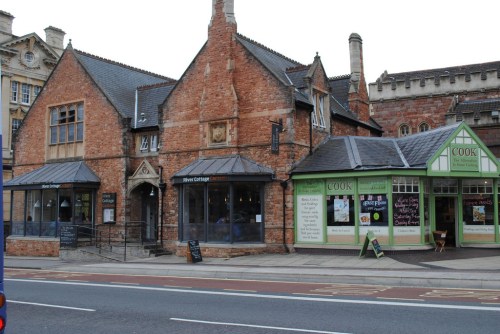
Sitting on Whiteladies Road, Clifton, River Cottage Canteen – a venture from Hugh Fearnley-Whittingstall – opened just last year. He may not be a resident chef, but his influence is very much present. The Canteen’s big ‘thing’ is organic, seasonal produce – and I believe 90% of food is sourced from within a 50-mile radius of the restaurant.

The first time we came here, I’d heard good things but was a little worried – I know people who love a certain chain of restaurants with a celebrity name that proclaims to be affordable, but I personally find it massively overpriced, especially considering the quality of food you get. The fact that River Cottage Canteen sits in a similar price category to the other chain (£10-£15 for most mains) didn’t help matters. These niggles were somewhat assuaged by the incredible smells coming from the open kitchen when we came in – and after one bite of the soft, flavoursome complimentary bread I knew I had nothing to worry about!

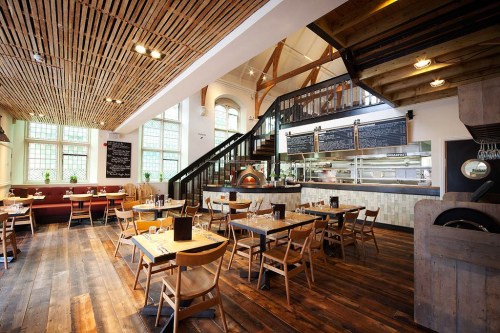
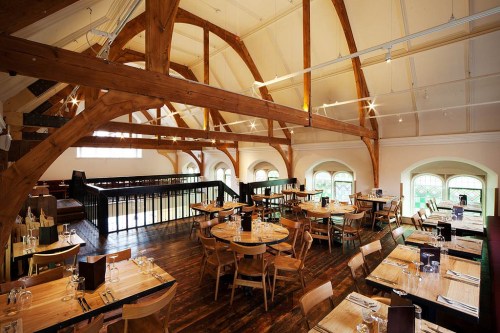
Not only did it smell good, it looks pretty attractive too. Housed in a converted church, a number of the original features – including stained glass windows – have been retained. Together with the wooden floors and furniture, it’s simple and unfussy, but that’s somehow that’s what makes it so appealing. Quite like the food.

8580098094_c669322956_b

The open plan also creates a great atmosphere – a constant, underlying chatter comes from surrounding diners (anyone from young families to older couples seemingly popping in after a walk) to create a buzz, but it never but really impedes your conversation.

This is probably helped by the fact that – even though they could probably fill more tables – they don’t try and cram you in. Although I appreciate some restaurants don’t have that luxury – and I often like to eat in those places – it really frustrates me when bigger restaurants pack you in so tightly that you feel like you can’t move your chair back an inch for fear of clipping the person behind, or when their conversation seems to invade yours somehow. River Cottage Canteen has none of those problems. Overall the experience is just very, well, pleasant.

The staff really help with making that experience. The menu isn’t especially fancy in terms of the ingredients it uses, but it does feature some unusual combinations (polenta lasagne) and words (‘speltotto’, meaning pearl barley risotto) and they’re more than happy to explain these to you or give you a rundown on a particular dish, what it features and sizes – without making you feel stupid.

And then, most importantly, there’s the food. My potted crab was delicious and the texture was perfect – smooth, but not so much so that it felt more like a pate or baby food! This dish was actually on the ‘lighter’ menu (meant for small lunches or starters) and so was only served with an artichoke salad and crostini. However with a side of chips it was the ideal size for a main meal. And the chips were well worth it – the perfect balance of crunchy on the outside, soft on the in and the seasoning was just right.

My sister, predominantly a vegetarian (too complicated to explain in a short blog!) went for the speltotto which she really enjoyed. I may have snuck a taste and can confirm it was really tasty. Not too heavy and while you could taste all the individual flavours, they also worked together really well.

John went for fish and chips. I’m not usually a huge fish fan, but he forced me to try and bit and even I have to admit it was pretty tasty – nice and meaty and not too, well, fishy… (I’m told that’s the sign of a good fish dish, so is intended is a compliment!) I do enjoy a bit of batter, too.
9781910281_28c2b6ccda_b

And then there were the desserts. When we ordered two the waitress warned us that we’d regret not having one each. We – already quite full but taken by how good other people’s had looked – laughed at what we assumed was a joke.

It was not. We shared the chocolate and coffee cake and a slight variation on their rhubarb and vanilla mess (they had run out of meringues, so it was served with ice cream instead), but I could quite easily have wolfed down either (or both!) on my own! Both were rich, but not in that way where it’s really heavy. Needless to say that we left our plates very, very clean!

Another thing worth noting about River Cottage Canteen is it’s great drinks list, which also sticks to the local ethos – Bristol Beer Factory and Orchard Pig (both for ciders and soft drinks) both make an appearance, alongside your typical wines and a few cocktails (alcoholic and virgin).
8576955079_5d3a726708_b

The only thing that might be a slight negative for some is that service can be a little slow – on both occasions we’ve been there have been quite long gaps between taking orders for each part of the meal unless you prompt them – though the actual food didn’t take too long to be brought out. For us that wasn’t a problem – we didn’t feel like we were being rushed out for the next table and thoroughly enjoyed our leisurely two-hour lunch. But if you have a limited amount of time then it might just be worth mentioning it at the beginning of your meal.

Overall our meal – three mains (well two mains, and one ‘lighter’ meal + chips), two desserts, one bottled beer and one bottled soft drink – came to £55, not including a tip. Not too shabby!

I don’t think it needs to be said that I would thoroughly recommend the River Cottage Canteen (although now I have…). If you’re looking for good value, tasty food in an informal, unpretentious environment then this is the ideal place for friends, families and couples alike. Book your table now!

8576955079_5d3a726708_b

The details
Where: St John’s Court, Whiteladies Rd, BS8 2QY
Website: http://www.rivercottage.net/canteens/bristol/
How to book: Under 6 people in your party? The easiest way is online. For larger groups, phone 0117 973 2458
Menu: Changes every day (I won’t link as it’ll be out-of-date almost as soon as the post goes live!) but sample ones are available online

Photo Credits

All photos except exterior shot via River Cottage’s Flickr
Exterior shot via Zawtowers

Where to stay Wednesday: Village House, Santubong

dsc_6365From sweaty sightseeing in Singapore to monkeys stealing our dinner post-trekking in Bako National Park, Borneo (more on that later): after a fantastic, but hectic, first week in Asia, we decided a change in pace was in order.

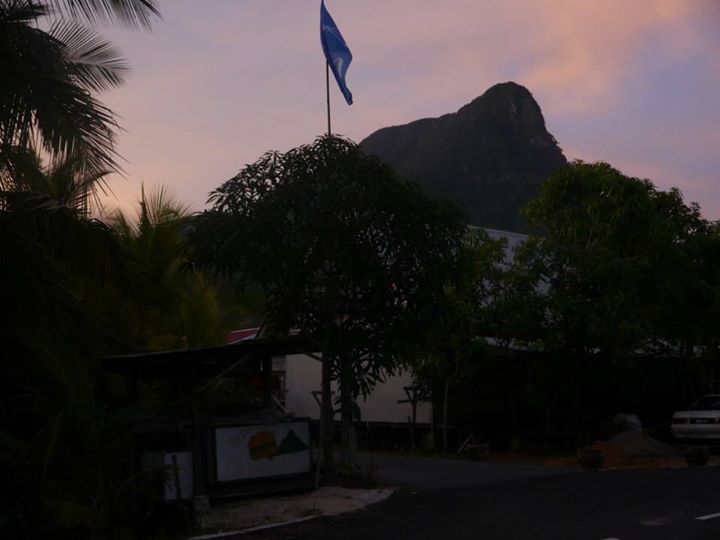
Dominated by the eponymous mountain, the Santubong peninsula is less than an hour from Kuching – the capital of Sarawak, Borneo – by mini bus. But it feels a world away. As we drove, concrete shops and mid-rises gave way to jungle and stilt-houses. The only traffic we encountered was caused by a seemingly constant stream of guests in beautiful outfits going to a wedding, which even mid-morning appeared to already be in full-swing. (Does anyone know the customs of traditional Malay/Borneo weddings? I’d love to read about them). Kuching isn’t particularly fast-paced, especially compared to a lot of Asian cities (or cities in general), but after spending a few days there you really appreciate how peaceful this surrounding countryside is.
998375_10100216883033697_1492269931_n


998264_10100215672554507_6702071_n

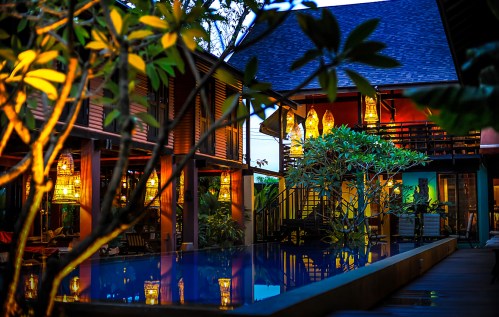
Tucked away down a gravel track, the idyllic Village House is the perfect place to stay in the area. We felt at home from the minute we walked into the frangipani-lined courtyard and were handed our ‘Welcome’ iced teas.

Comprising of just 14 bedrooms, this u-shaped hotel is built in traditional stilt-house style around a stunning pool/courtyard area. Underneath the bedrooms you’ll find the small restaurant, and seating and loungers for the pool. There’s also a bar, fancier upstairs ‘dining room’ type area (featuring a stunning wooden-carved table) and a living room full of books, television and dvds and – most importantly – board games. All of the rooms are decorated in traditional Sarawak style, with local craft pieces dotted throughout.

943460_10100215621541737_2076966683_n

We stayed in a Village Double, the standard private room, which are priced from 250 ringitt (about £50) a night (twins cost the same). Although a bit on the small side, we found it perfectly suited our needs: traditional Malay sarongs provided, enough space to dump our rucksacks, a decently-sized, modern bathroom and – most importantly – a four poster bed. To be honest, we spent most of our time relaxing by the pool anyway.

However if you want something a bit more luxurious or somewhere a bit more private to relax, the two Rajah Rooms have a sitting area, private veranda and mod cons like a television and Nespresso coffee machine. These start from 460 Ringitt a night (about £90).

At the other end of the spectrum, those just wanting a bed can book into the plainer dorm-style rooms, which sleep up to six people in bunkbeds. A night here costs 93 ringitt (just under £20).

7566937_J

Arguably the real stand-out of this hotel is the staff and service. Not only helpful – they’re full of recommendations and there’s a number of trips they can help you to plan such as to the nearby Cultural Village and firefly cruises – they’re also very friendly, stopping to chat and ask about your day. Just little touches, such as bringing your drink to you at the pool, really makes this place feel luxurious. Admittedly so far this is all in a good day’s work – especially by Asian hospitality standards (which are generally amazing). But they really went above and beyond for us: one of the girls stayed late to print our plane boarding passes. Another came in extra-early on our last day to unlock and make sure we got our taxi to the airport, even providing us with sandwiches to take with as we were missing out on breakfast.

Talking of food, if there’s one downside to the Village House, it’s that the eating here is little costly (by Sarawak standards). Also, if you want dinner then you have to make your mind up about it quite early: you have to pre-order by mid-afternoon. Understandable considering the size of the hotel, but perhaps not ideal for the more fleet of foot. You could probably organise to eat elsewhere – I’ve read good things about some seafood restaurants in a nearby village – but you’d have to plan that too unless you had your own car. However everything we ate here was pretty tasty so, so long as you accept that you’re paying the Sarawak version of hotel prices, we didn’t find being confined to the hotel for mealtimes too much of a problem. And breakfast is included in the cost of your stay, so that’s one meal you don’t have to worry about budgeting for.

983609_10100215673861887_607981406_n 996169_10100215673846917_1164412719_n

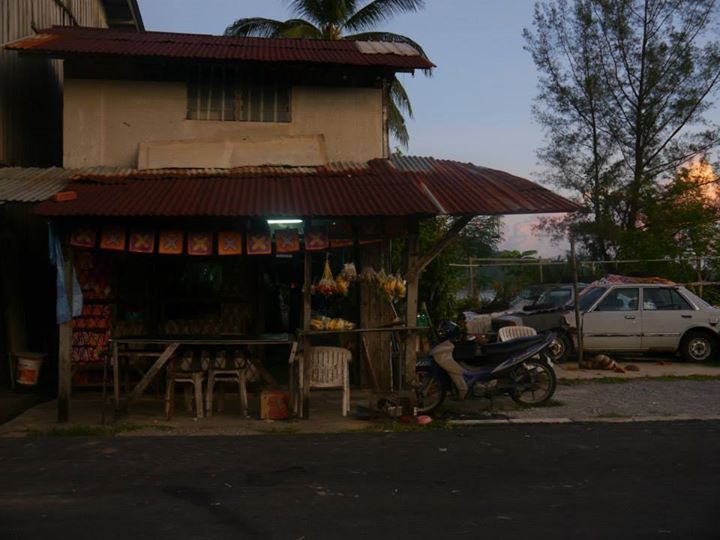
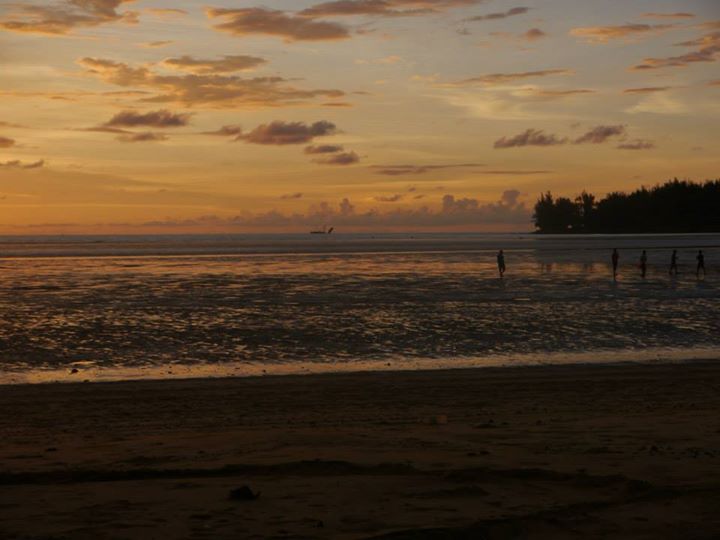
If you can bear to drag yourself away from the beautiful hotel, the surrounding area is worth exploring. Although a bit too rocky for sunbathing, the quiet beach – just down a sandy path – is the ideal location to watch the sun set. We also enjoyed walking into Santubong Village itself: an older lady sitting outside a shop, chopping coconuts ready for the next day. Roadside food stalls. Families going for a spin round the roads on their mopeds. John got chatting (sort of) to football-playing children, bonding over Manchester City. Later on, the call to prayer from the local mosque echoed through the village.

Stunning, entrancing, relaxing, we felt utterly spoilt for the entirety of our two nights here. Our only regret is that we didn’t stay longer.

The important details
Website: http://www.villagehouse.com.my/villagehouse/
Pricing: Range from about £20 p/night for a dorm bed to around £90 for the Rajah Rooms. Standard doubles/twins are around £45/£50. Price includes breakfast.
Location: Near Santubong Village, 20 miles from Kuching.
Any other extras?: Welcome drinks. Board games, dvds and books can be borrowed.
Recommended?: Absolutely. This was by far and away our favourite hotel of the trip.
Any reason not to?: If you like to be able to get around easily without a car then you could feel a little claustrophobic – you’ll be relying on wheeled vehicles to get most places from here. Not recommended if you don’t like to ‘stop’; this is strictly a ‘getting away from it all’ kind of hotel. Though if anywhere can convince you to take an unplanned break, it’s here.
983589_10100215673637337_1903169526_n